Warning signs of anaphylaxis: when two body systems react at once, treat it as a severe reaction
When an allergic reaction gets worse, the skin, breathing, circulation and digestive system often show warning signs at the same time. This article helps parents and young people recognise these signs and explains what to do when two or more body systems are affected.
Review status: automated publication checks completed. No named medical-professional review is declared. Editorial and review policy
First, remember one rule: look at several body systems at once
When an allergic reaction first starts, it is often just mild discomfort in one place. For example, your lips may itch after eating a certain food, or a bee sting may cause redness and swelling in one spot. These signs alone do not necessarily mean the reaction will get worse. What really needs attention is when several body systems become abnormal at the same time.
You can think of the body in four parts: skin, breathing, circulation and digestion. If one system is affected, watch and wait; if two or more systems are affected at the same time, treat it as a severe reaction and do not keep waiting at home. This rule matters more than remembering any single symptom.
This is because anaphylaxis is a whole-body reaction. Once substances such as histamine enter the blood, the blood vessels, airways and digestive tract are all affected together. Waiting until every symptom appears is often too late.
Skin and breathing: the most common combination, and the easiest to underestimate
Skin signs are the most familiar: urticaria (hives), raised welts, swelling of the eyelids or lips, and general redness and itching. Most people get worried when they see a rash, but the rash itself is not the most dangerous sign. The danger is that it often appears together with another system.
Pay special attention to breathing signs: a tight throat, a hoarse voice, difficulty swallowing, chest tightness, shortness of breath, or a continuing cough. These suggest the airway may be narrowing. In children, it may also show as being restless and crying, or speaking less.
If a rash appears together with a tight throat or difficulty breathing, two systems are raising the alarm at once. Do not hesitate: treat it as a severe reaction and get emergency help as soon as possible.
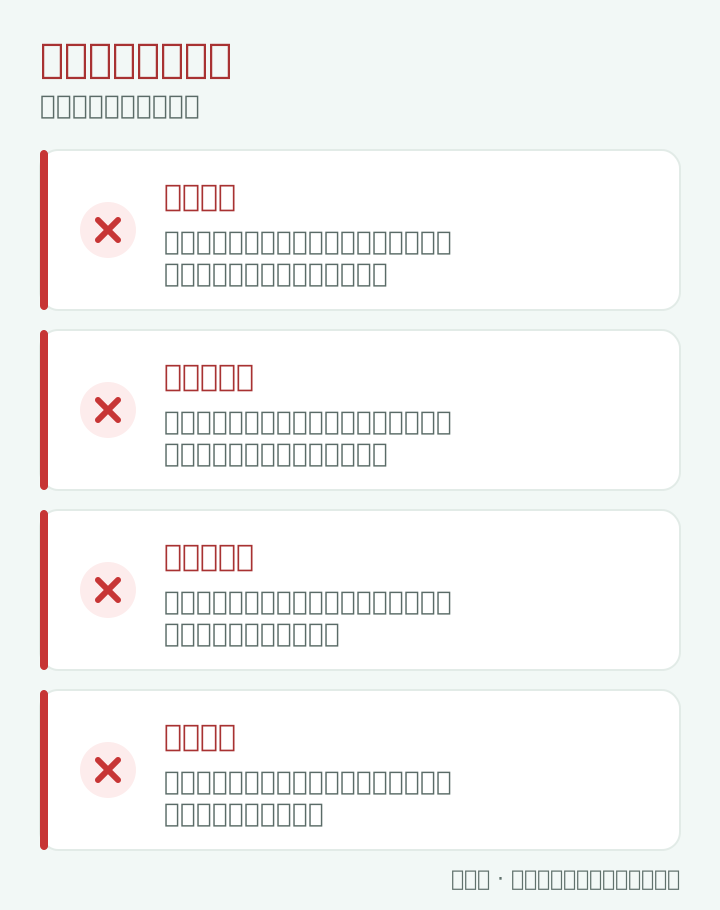
Circulation and digestion: easily mistaken for something minor
Circulation signs include: dizziness, blacking out, a racing heart, pale face, cold sweats, being unsteady on your feet, and wanting to lie down. These suggest blood pressure may be dropping. In children, there may be a sudden lack of energy, listlessness, or slower responses.
Digestive signs include: nausea, vomiting, abdominal pain and diarrhoea. On their own, these are easily mistaken for a stomach upset. If they appear together with a rash, breathing problems or dizziness, they mean something very different.
One more point is worth remembering: symptoms may appear soon after contact, or they may get worse after a while. If you feel better and then get worse again, treat it as a severe reaction too. Do not relax just because things eased for a moment.
If these happen, do not watch at home — get emergency help at once
If any one of the following happens, you should call 120 (the emergency number in China) immediately, and do not drive the person to hospital yourself:
- Difficulty breathing, wheezing, a tight throat, or a voice that suddenly becomes hoarse;
- Dizziness and being unsteady on your feet, pale face, cold sweats, or confusion;
- Vomiting and abdominal pain together with a rash or breathing discomfort;
- Two or more body systems showing abnormal signs at the same time;
- Symptoms getting worse quickly in a short time.
While waiting for the ambulance, lay the person flat and raise their legs; if breathing is difficult, they can sit half upright. Do not let them stand or walk around. If the person has a known history of severe allergy, follow the plan their doctor has given them in advance.
Two things to do afterwards: record what happened and follow up
Once a severe reaction eases, it does not mean it is over. Some people get worse again a few hours later, so even if they seem better at the time, they should go to hospital for observation as the emergency staff or doctor advise.
Afterwards, it is very useful to write down what happened: what was eaten, what was contacted, how long it took for symptoms to appear, and which body systems were affected and in what order. This information helps the doctor work out the trigger and plan future care.
Whether it was anaphylaxis, how to prevent it in future, and what preparations are needed day to day should all be decided by a doctor based on the specific situation. Parents should not draw their own conclusions, and should not treat this experience as a one-off.
This article is for general information only and is not medical advice. Please follow your doctor's instructions.
This article is for general information only and is not medical advice. If your symptoms affect daily life, please see a doctor.