Allergen Test Reports: How to Read Grades, Values and Positive Results
Understand what the grades and values in your report mean, tell sensitisation apart from allergy, and see why a positive result does not always mean you must avoid something. The key is to judge alongside your own symptoms.
Review status: automated publication checks completed. No named medical-professional review is declared. Editorial and review policy
What do the grades and values on the report mean?
Allergen test reports often give a grade (such as 0 to 6) or a value (such as IgE concentration). A higher grade means there is more IgE antibody in the blood against that allergen, so the sensitisation is stronger. But a high grade does not mean you will definitely have allergic symptoms. It only shows that the immune system is sensitive to that substance.
The unit is often kUA/L, and the reference range may differ between laboratories. When you look at the report, find the reference range first, then compare it with your own result. Do not focus only on the grade number. Understand it together with your symptoms.
Are sensitisation and allergy the same thing?
No. Sensitisation means the immune system has made antibodies against a substance, so the test is positive. Allergy means you have actual symptoms after contact with that substance. Many people are sensitised but have never had allergic symptoms. For example, a peanut IgE test may be positive, but eating peanuts causes no reaction at all.
Diagnosing an allergy needs both symptoms and test results. If there is only a positive report and no symptoms, there is usually no need to worry too much, and there is even less need to avoid foods without good reason.
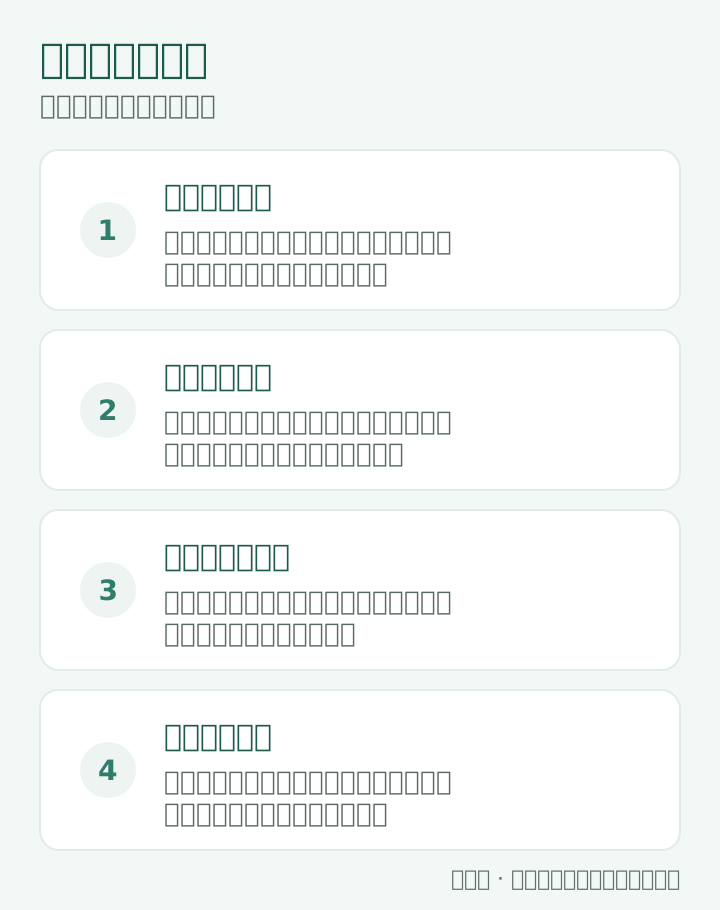
Why does a positive result not always mean you need to avoid something?
A positive result only shows sensitisation, not clinical allergy. If there are no symptoms at all, long-term avoidance may lead to poor nutrition or a lower quality of life. For example, if a child has a positive milk antibody test but drinks milk normally, there is no need to stop milk.
Whether you need to avoid something should be decided by a doctor, taking into account symptoms, eating history and test results together. For a positive result with no symptoms, do not start long-term food avoidance on your own. If you have had a reaction before, record what the reaction was and when it happened, and tell the doctor when you see them.
How do I use symptoms to judge what the report means?
First, think back to whether you had rash, itching, sneezing, wheezing, vomiting or other symptoms after contact with that allergen, and when the symptoms appeared (from minutes to hours). If there are clear symptoms and the test is positive, the link is stronger.
If the symptoms and test results do not match, the doctor may suggest further tests or observation. Write down the time, symptoms and suspected food for each reaction, and bring it to the doctor. This is more helpful than looking at the report alone.
When should I see a doctor?
See a doctor if: rash, itching, blocked nose, wheezing or digestive discomfort keep coming back after contact with a suspected allergen; symptoms affect daily life or sleep; or you have had swelling of the lips, tongue or throat, or difficulty breathing.
If you have difficulty breathing, a tight throat, dizziness, confusion or bluish skin, call for emergency help at once. If two or more body systems are affected, call for emergency help at once.
If you do not know how to read your report, or you are unsure whether to avoid a food, it is best to bring the report and your symptom record to a doctor, who will decide the next step.
This article is for general information only and is not medical advice. Please follow your doctor's instructions.
Reference links
This article is for general information only and is not medical advice. If your symptoms affect daily life, please see a doctor.