Keeping an allergy diary for your child: how to record the five items — time, environment, food, signs and what you did
A practical guide to a symptom diary for children with allergies. It explains what to record, how to record it, and how the record can help your doctor make a diagnosis, with a printable layout idea.
Review status: automated publication checks completed. No named medical-professional review is declared. Editorial and review policy
What exactly goes in a symptom diary? Five items, all of them
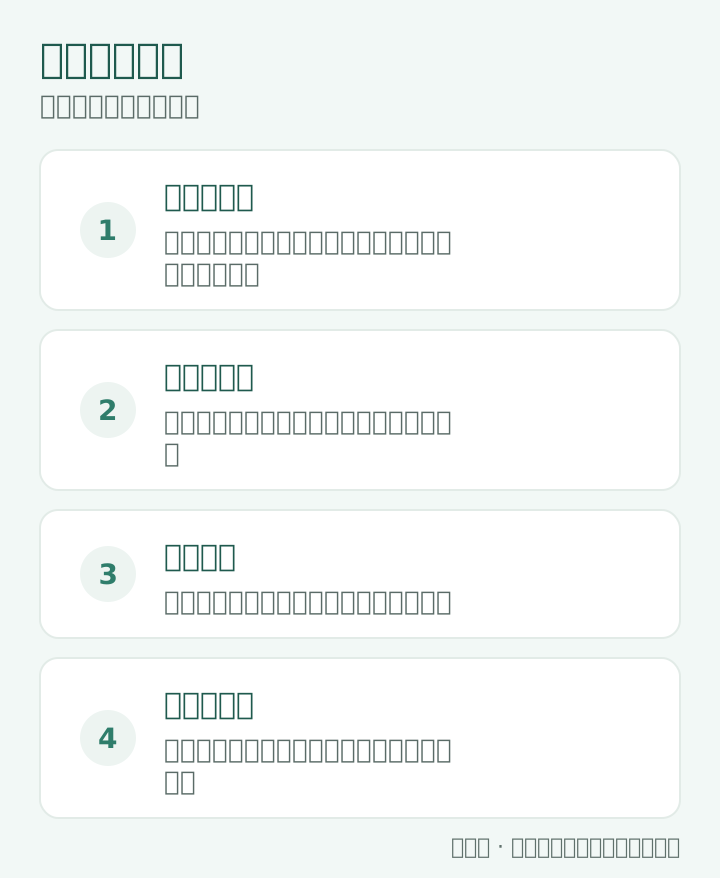
A diary is not a running log of everything. The key is five types of information: time, environment, food, signs and what you did. Time should be exact to the hour and minute, because allergic reactions can appear within minutes to hours. Environment means whether your child was indoors or outdoors, whether anyone was sweeping, and whether they touched a pet or pollen. Food means writing down what they ate and drank, including snacks and drinks. Signs means describing what you actually saw, such as where the rash is, whether it itches, and whether there is a cough. What you did means what action you took, such as washing the face, changing clothes, or what medicine was used (record the medicine name only, not the dose).
Only all five together can help the doctor reconstruct what happened. Writing just "a rash appeared" gives too little information, and the doctor cannot tell whether food or the environment caused it.
When writing signs, use descriptions instead of feeling words
Do not just write "uncomfortable" or "a bit itchy". Be specific. For example: raised, red rash on the cheeks and neck; red eyes, clear runny nose, sneezing repeatedly; whether the cough is dry or brings up phlegm; whether breathing has become faster. Skin colour changes are harder to see on children with darker skin, so check whether the palms and soles look pale or grey.
If your child says their throat feels tight, swallowing is hard, or they seem less alert or sluggish, note this separately. These signs matter more than the rash.
How can the record help the doctor decide?
When doctors read a diary, they mainly look for repeated patterns. For example, a rash appears within two hours every time a certain food is eaten, or the eyes itch every pollen season. Before a follow-up visit, you can put the records in time order and sum it up in one sentence: "There were three rashes in the last two weeks, all after dinner, and egg was eaten on each of those days." This helps the doctor spot the clue quickly.
Records can also help you avoid unnecessary avoidance. If your child has eaten a certain food many times with no problem, the diary is the evidence, and you do not need to keep them off it long term because of one chance rash.
When should you see a doctor? Remember these signals
If any of the following happen, do not just keep watching and writing in the diary. Seek medical care promptly:
- The lips, tongue or throat suddenly swell, or the voice becomes hoarse or swallowing is difficult.
- Breathing becomes fast or laboured, or your child says their chest feels tight or they cannot catch their breath.
- The skin, lips or face turns blue, grey or pale, or your child suddenly becomes very sluggish or cannot be woken.
- A rash comes with vomiting, abdominal pain or diarrhoea.
- Rashes keep coming back for more than six weeks, or they affect eating and sleeping.
If breathing is laboured, the throat feels tight, or your child becomes less alert, call 120 (the emergency number in China) right away. These may be signs of anaphylaxis and need hospital care. If there is only a local rash and mild itching, you can record it first and book an appointment with a doctor.
A printable idea: one sheet for a week of records
You do not need to buy a notebook. Just draw a table on a sheet of A4 paper. Make five columns across: time, environment, food, signs, what you did. Divide the rows by day, leaving three to four rows for each day. Print a few sheets and stick them on the fridge so you can write at any time.
When recording, note: the exact time; the environment, such as "indoors, sweeping" or "park, grass"; the food, such as "lunch: rice, chicken leg, apple"; the signs, such as "small bumps on the back of the hand, itchy, scratched three times"; and what you did, such as "washed hands and face, changed clothes".
After a week, take a photo and save it on your phone, then show it to the doctor at the follow-up visit. Try to finish each record within one hour of the symptoms appearing, when your memory is most accurate.
This article is for general information only and is not medical advice. Please follow your doctor's instructions.
Reference links
This article is for general information only and is not medical advice. If your symptoms affect daily life, please see a doctor.