How to tell spring allergies from colds: fever, how long it lasts, and eye and nose symptoms
A plain-language comparison of fever, how long symptoms last, triggers, eye and nose symptoms, and changes with the environment. It helps parents judge whether a child has an allergy or a cold, and how to handle each.
Review status: automated publication checks completed. No named medical-professional review is declared. Editorial and review policy
First check for fever and how many days it takes to get better
Colds are mostly caused by viruses. They often come with fever, sore throat and tiredness. Nasal mucus starts clear and may later become thicker. Fever and feeling unwell all over are fairly typical of a cold. An allergy usually does not cause fever.
How long it lasts also shows the difference. A cold usually improves gradually in about a week. An allergy follows exposure: it is obvious on the days when there is pollen, and it eases when away from that environment. It comes back at the same time every year. Fever plus body aches is more like a cold; no fever and lasting more than two weeks is more like an allergy.
Also look for triggers. Colds often appear after getting cold or being around someone with a cold, and can happen in any season. Allergies tend to get worse on spring days with a lot of pollen, strong wind and dry air. Symptoms are obvious after coming home from outside and ease after closing the windows.
Nose and eye symptoms are a bit different
With an allergy, the nose itches a lot. Children rub their nose and eyes, sneeze in long bursts, have a lot of clear, watery nasal mucus, and the stuffiness comes and goes. Itchy, red, watery eyes are also common. These are rare with a cold.
With a cold, the nose is mostly blocked and runny, and itching is not obvious. The eyes may be slightly red or watery, but severe eye itching is rare. Sore throat, cough and a hoarse voice are more common with a cold. A child with an allergy may also cough, but mostly at night or after contact with pollen.
You can watch for nose-rubbing and eye-rubbing, and for redness or dark circles around the eyes. These details help tell the difference, but they cannot replace a doctor's judgement.
See how symptoms change with the environment
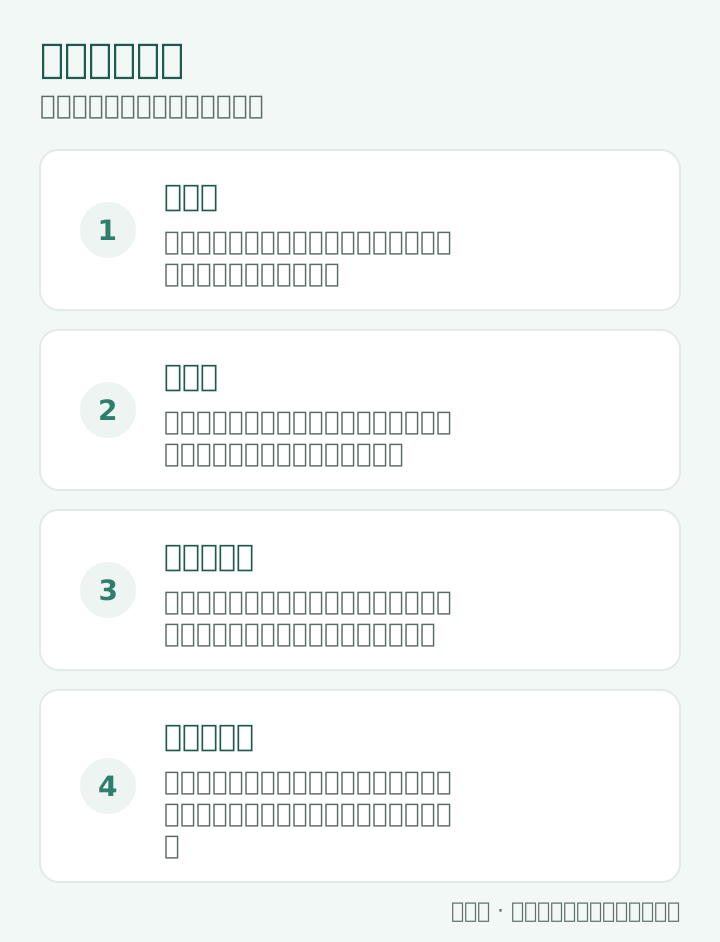
Allergy symptoms are closely linked to the environment. They get worse after opening windows, going outside or doing a big clean, and ease in an air-conditioned room or after rain. This rise and fall with the environment points to an allergy.
Cold symptoms are fairly steady. They do not change clearly just because the child moves to another room, and usually run their course at their own pace. If symptoms keep getting better and worse over several weeks, consider an allergy.
You can keep a simple record at home: which days the child went out more, which days the windows were closed, and how bad the symptoms were. Record symptoms, time outdoors and open windows for one to two weeks, and bring it to the appointment. This helps the doctor a lot.
How to handle each more safely
If you suspect an allergy, first reduce exposure: open windows less when there is a lot of pollen, wear a mask outdoors, wash the face and hands and change outer clothes after coming home, and wash and sun bedding often. When the nose is uncomfortable, nasal saline irrigation can be used, and it should be done gently.
If you suspect a cold, focus on rest, drinking more water and keeping the room ventilated, and watch the temperature and how alert the child is. Do not give a child several different combination cold medicines on your own; their ingredients can easily overlap.
In either case, do not use nose drops or nasal sprays long term on your own, and do not give a child a reduced dose of an adult medicine. The choice of medicine should be decided by a doctor based on the specific situation.
When to see a doctor
If any of these signs appear, see a doctor as soon as possible. Do not keep watching at home:
Fever that does not go away, or low energy, drowsiness or refusing to eat; fast breathing, wheezing or bluish lips; ear pain, facial pressure or pain, or thick yellow nasal mucus for more than a week; red, painful eyes, sensitivity to light or blurred vision; symptoms that keep coming back for more than two weeks without improving, or that flare at the same time every year.
Also, if a child has underlying problems such as asthma or eczema and symptoms get worse in spring, ask a doctor to assess them early. Do not wait until sleep and school are affected.
This article is for general information only and is not medical advice. Please follow your doctor's instructions.
This article is for general information only and is not medical advice. If your symptoms affect daily life, please see a doctor.