Shellfish allergy is not the same as fish allergy: know the scope of seafood allergy
People who get a rash from prawns may not need to avoid fish. Shellfish and fish have different allergenic proteins. Being allergic to one does not mean being allergic to all seafood. A doctor needs to assess and confirm the scope.
Review status: automated publication checks completed. No named medical-professional review is declared. Editorial and review policy
Both are seafood, but shellfish and fish are not the same thing
Many people treat seafood as one single group. In fact, it is divided into at least two large groups. One is shellfish, which includes crustaceans such as prawns and crabs, and molluscs such as clams, scallops, oysters, squid and octopus. The other is fish, such as cod, sea bass and salmon.
The allergenic proteins in these two groups are not the same. The immune system recognises specific protein molecules, not the general word "seafood". So a person allergic to prawns is not necessarily allergic to fish, and the reverse is also true. Lumping the two together can easily lead to avoiding foods that are actually safe to eat.
Prawns and crabs go together, but clams and squid are another group
There are also differences within shellfish. The allergenic proteins in crustaceans (prawns, crabs) are fairly similar, so a person allergic to prawns may also react to crabs and usually needs to watch out for both. Molluscs (clams, scallops, oysters, squid, octopus) are another group and are not completely the same as crustaceans.
There are also differences within fish. Some people react clearly to one kind of fish but are fine with another; others are sensitive to many kinds of fish. Day-to-day observation can only give a rough guess. To truly define the scope, a doctor needs to judge based on the history and tests.
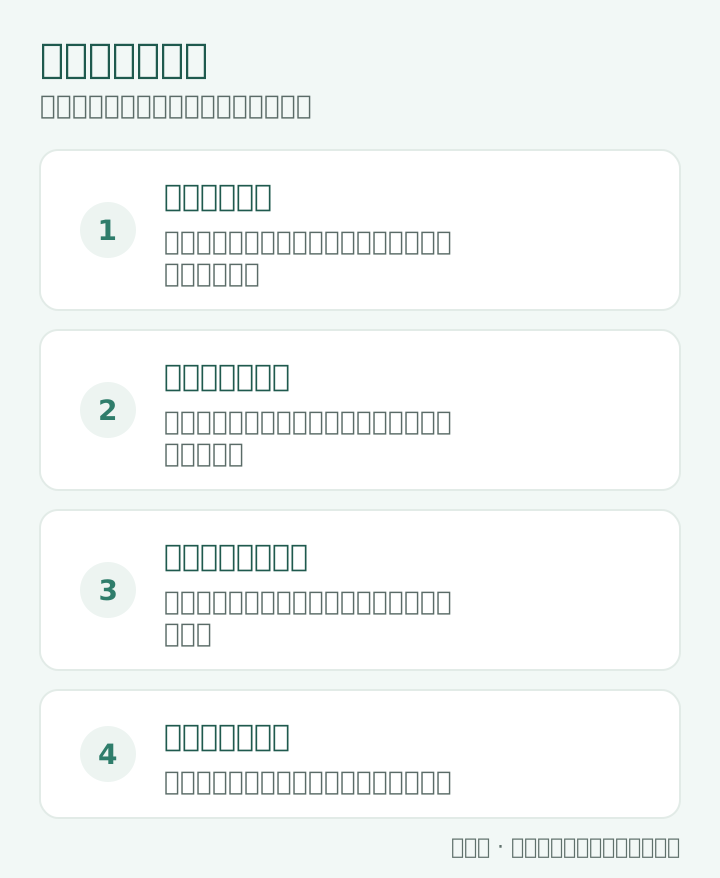
Why "allergic to only one kind" is common
Allergy happens when the immune system makes specific antibodies against a certain protein. Antibodies recognise shape, like a key fitting a lock. The protein structures of different seafood differ, so an antibody may only recognise one of the locks. So being allergic to only one kind of seafood is not uncommon in clinical practice.
One more thing to keep in mind: there are also cases where a person could eat a food as a child but only developed a reaction later in life. Food allergy can first appear at any age and does not necessarily start in childhood. Having eaten it before without problems does not guarantee it is safe now.
To work out the scope, do not test it yourself at home
Some people want to try "eating a little to see", but this is not reliable. The severity of an allergic reaction is hard to predict. Just because the last reaction was only a rash does not mean the next one will be mild. This is especially important for people who have had breathing difficulty, a tight throat or dizziness; they should not try it on their own.
A doctor will usually first ask when the reaction happened, what was eaten and what the symptoms were, then decide whether a skin test or blood test is needed. These tests can also give false positives, so results must be interpreted together with the actual situation, not just by a single plus sign on the report.
Before the scope is clear, the safe approach is to temporarily avoid the group that has already caused a reaction, and to write down the foods eaten and the symptoms that appeared, so you can show them to the doctor at your visit.
Which signals mean you should see a doctor
If any of the following occurs, it is recommended to see a doctor as soon as possible for assessment:
- Swelling of the lips or eyelids, a tight throat, or a change in voice after eating seafood;
- Wheezing, chest tightness, a persistent cough, or dizziness and unsteadiness;
- Large areas of urticaria (hives) over the body, or vomiting and abdominal pain at the same time;
- Reactions that keep happening but you cannot tell which food causes them;
- A child in the family is told to avoid many kinds of seafood and you are worried about nutrition.
If symptoms affect breathing or circulation, call 120 (the emergency number in China) immediately. Do not wait and observe at home.
This article is for general information only and is not medical advice. Please follow your doctor's instructions.
Reference links
This article is for general information only and is not medical advice. If your symptoms affect daily life, please see a doctor.