Can a child with asthma take PE class? Arrange it like this when well controlled
Children whose asthma is well controlled can and should exercise. This article explains the practical steps for warming up, protecting against cold air, carrying medicine and telling teachers, and which signs mean to stop exercising and see a doctor.
Review status: automated publication checks completed. No named medical-professional review is declared. Editorial and review policy
When well controlled, PE class can and should go ahead
Most children with asthma can take part in normal daily activities, including PE class, when they are not having an attack. Regular exercise is good for heart and lung fitness, weight and mood. Being inactive for a long time instead lowers fitness, making it easier to get short of breath during activity.
Children who need daily preventive medicine show that control is not yet ideal. In these cases, talk to the doctor about adjusting the plan rather than simply excusing the child from PE. Whether the child can take part, and at what intensity, is for the doctor to judge based on the child's situation.
Exercise itself can trigger narrowing of the airways, especially running and jumping activities. This does not mean the child cannot exercise. It means warming up, choosing the environment and planning medicine need to be done in advance.
Before, during and after class: arrange these things in advance
Warm-up needs enough time. Start with slow walking and stretching, then gradually build to brisk walking or jogging, so the airways adapt to changes in ventilation. Warm up for at least 10 to 15 minutes, building gradually from low intensity to the intensity of the main activity. Sudden sprinting or going straight onto the field is more likely to trigger coughing and chest tightness.
On cold or windy days, try to breathe through the nose, or wear a thin mask or scarf over the mouth and nose to reduce direct irritation of the airways by dry cold air. When air pollution is heavy or pollen counts are high, outdoor class can be moved indoors or the intensity lowered.
Rescue medicine must be carried on the child, not left in a school bag in the classroom or in the PE teacher's office. Keep the rescue inhaler with the child or teacher, somewhere it can be reached immediately. At the start of the school year, tell the class teacher and PE teacher: the child has asthma, where the medicine is, and what signs mean the child needs to stop.
If coughing or chest tightness occurs after exercise, stop and rest first, and follow the plan the doctor has given in advance. Do not push through to finish a test or competition.
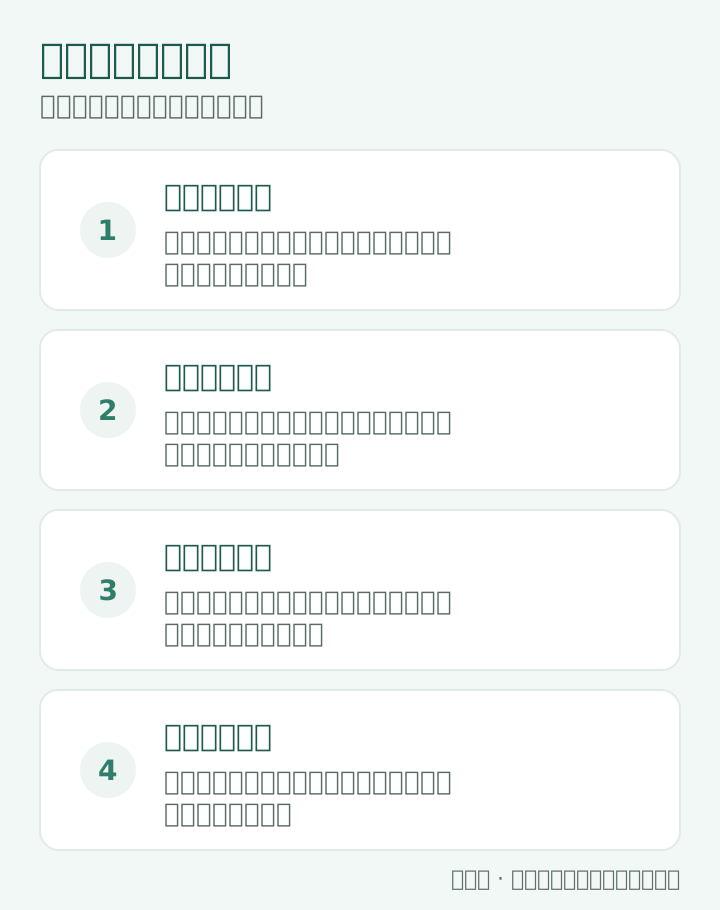
If these signs appear, stop exercising first
If any of the following happen during or after exercise, stop the activity immediately, sit down and rest, and follow the plan agreed with the doctor in advance:
- Obvious wheezing, difficulty breathing, or speech in broken phrases only;
- Worsening chest tightness that does not ease with rest;
- Frequent coughing that affects normal breathing;
- Lips or face turning grey or pale, with obvious sweating.
If there is no improvement after rest and medicine, or if any of the signs above appear, see a doctor promptly. If the child still cannot catch their breath after rest and medicine, do not wait — see a doctor immediately.
When to see a doctor
If the following happen, the current plan may not be enough and the doctor needs to reassess:
- Coughing or chest tightness with exercise several times a week;
- Needing rescue medicine often after PE class;
- Waking at night because of coughing or chest tightness;
- Clearly reduced exercise tolerance, unable to keep up with children of the same age;
- More time off school or missing classes because of asthma.
When seeing the doctor, bring peak flow records, medicine use and what happened during exercise, to help the doctor judge. Do not change medicines on your own, and do not keep the child out of PE class long term for fear of an attack.
This article is for general information only and is not medical advice. Please follow your doctor's instructions.
Reference links
This article is for general information only and is not medical advice. If your symptoms affect daily life, please see a doctor.